Electrical Panel: What Every Homeowner Should Know
Your electrical panel is the heart of your home’s electrical system, distributing power to every outlet, appliance, and device throughout the property. While it often goes unnoticed, an outdated, damaged, or improperly installed electrical panel can become a significant safety hazard if left unaddressed.
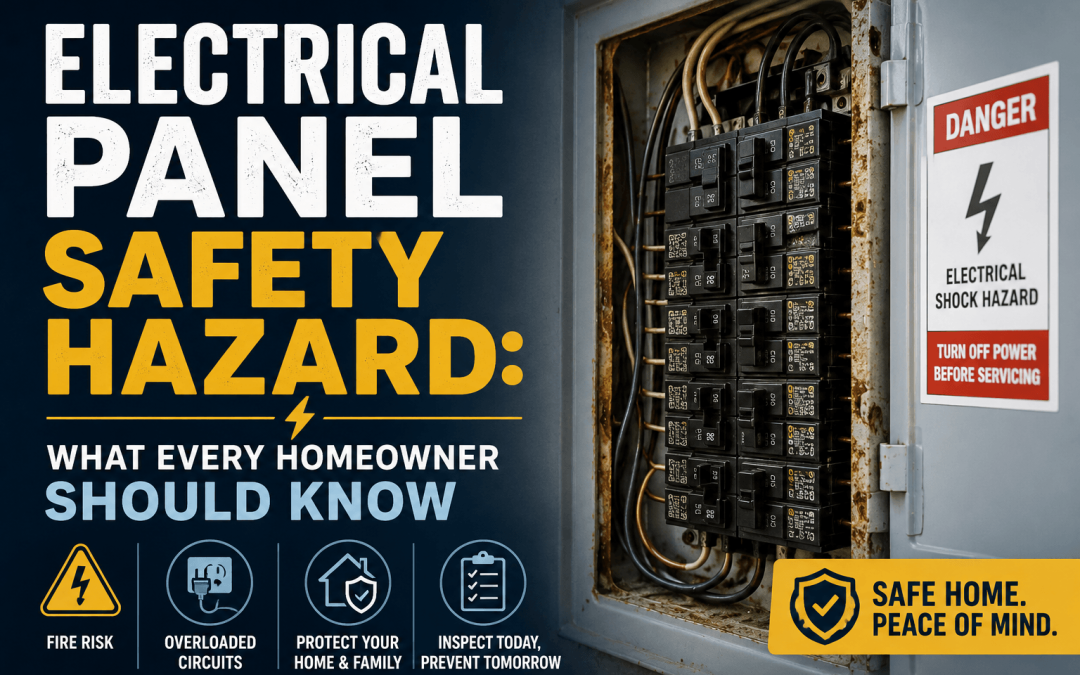
During home inspections throughout South Florida, electrical panel defects are among the most common issues inspectors encounter. From overloaded circuits and improper wiring to corrosion and recalled panel brands, these problems can increase the risk of electrical shock, equipment damage, and even house fires.
Many homeowners are unaware of potential electrical hazards because the panel is rarely inspected after installation. However, this critical component plays a vital role in protecting both your home and family.
What Does an Electrical Panel Do?
The electrical panel receives power from the utility company and safely distributes it throughout the home. It also contains circuit breakers designed to shut off power when circuits become overloaded or experience faults.
When functioning properly, the electrical panel helps prevent overheating, electrical damage, and fire hazards. However, if components become damaged, outdated, or improperly installed, the system may fail to provide adequate protection.
Without a properly functioning electrical panel, electrical issues can go undetected and create serious safety concerns.
Common Electrical Panel Issues Found During Inspections
Home inspectors frequently discover problems such as:
- Double-tapped breakers
- Improper wiring connections
- Corrosion or rust inside the panel
- Overheated breakers
- Missing panel covers
- Recalled or obsolete electrical panels
- Overloaded circuits
- Evidence of amateur electrical work
Identifying these issues early can help prevent costly repairs and reduce potential safety risks for homeowners and buyers alike.